
Innovative Paint Spraying Technology: The Rise of Paint Spraying Drones
In recent years, the rapid development of drone technology has transformed multiple industries, including agriculture, logistics, and public safety. Now, a groundbreaking advancement in drone technology is revolutionizing the world of construction and urban maintenance—paint spraying drones. This innovation is poised to bring unprecedented efficiency, safety, and precision to large-scale and high-altitude painting tasks. As industries worldwide seek cost-effective and environmentally friendly solutions, paint spraying drones are emerging as an essential tool for the future.
The Emergence of Paint Spraying Drones
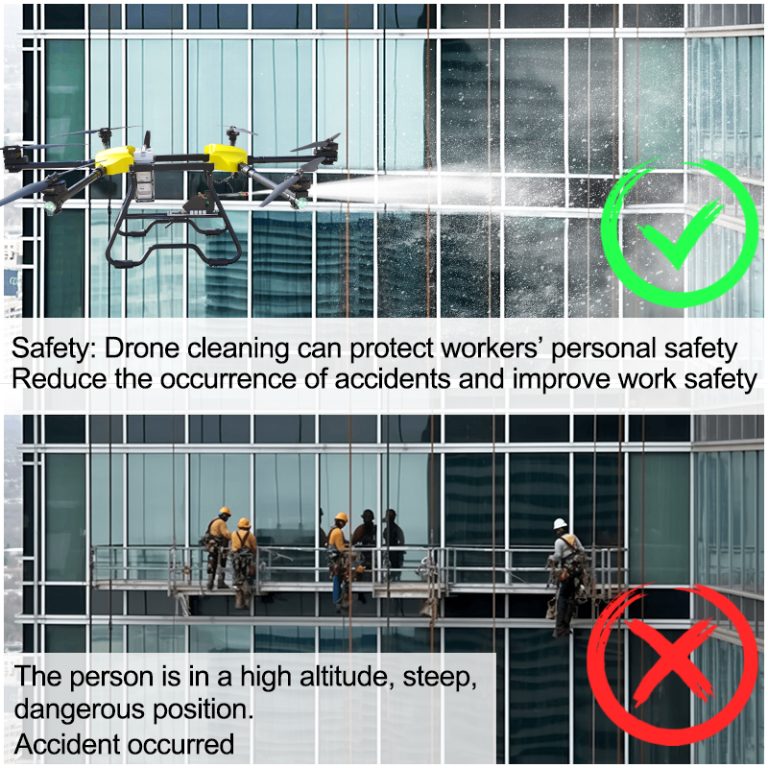
Traditional methods of painting large surfaces, particularly outdoor structures such as buildings, bridges, and fences, often involve scaffolding, ladders, and even cranes. These methods can be time-consuming, costly, and pose significant safety risks to workers. Enter the paint spraying drone—an aerial device designed to carry out paint application tasks autonomously or under remote control.
The introduction of paint spraying drones addresses several key challenges in the industry. First and foremost, these drones eliminate the need for workers to operate at dangerous heights, drastically reducing the risk of injury or accidents. Additionally, the flexibility and speed of drone painting enable them to cover vast surfaces quickly, enhancing overall productivity.

How Paint Spraying Drones Work
At the core of this technology is a drone equipped with specialized paint-spraying systems. The drone is capable of carrying a reservoir of paint, which it sprays with precision as it hovers over the target surface. Advanced models of these drones are fitted with sensors, cameras, and artificial intelligence software that help them map the surface and ensure even coverage.
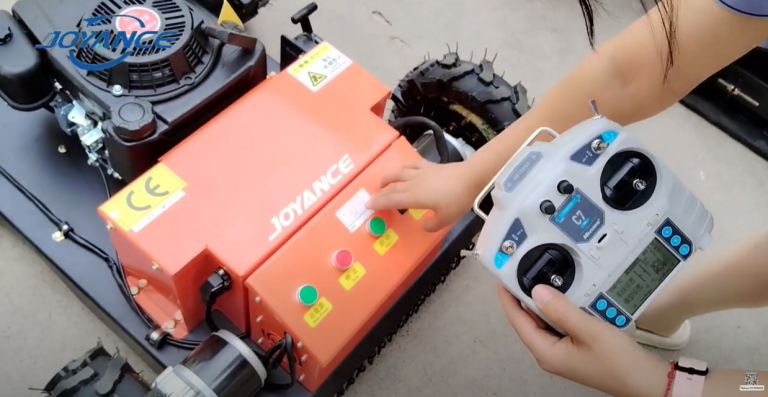
The drone in the image provided demonstrates this new technology in action. Seen hovering close to a wall, it releases a burst of red paint, covering the surface efficiently and evenly. This particular drone is designed with multiple rotors for stability, ensuring smooth, controlled movement and reducing any potential overspray or uneven application.
In terms of controls, the drone can be programmed to follow specific flight paths or operated manually by a technician using a remote control. This combination of automation and human oversight allows for both precision and adaptability, depending on the complexity of the job.
Key Benefits of Paint Spraying Drones
- Enhanced SafetyThe most significant advantage of paint spraying drones is the improvement in safety. Painting large structures such as bridges, multi-story buildings, or tall fences typically requires scaffolding or aerial lifts, exposing workers to significant fall risks. Drones remove the need for these precarious setups, allowing workers to remain safely on the ground.
- Increased EfficiencyTraditional painting methods can be slow, especially for large-scale projects. Paint spraying drones, however, offer unmatched efficiency. Their ability to quickly cover extensive areas from above means that projects can be completed in a fraction of the time it would take using conventional techniques. The drones’ precise control and automated movement ensure that every inch of the surface is covered without wasted paint or missed spots.
- Cost-EffectivenessFaster project completion times lead to lower labor costs. Furthermore, the reduced need for equipment such as scaffolding, ladders, or cranes translates to lower overhead expenses for construction companies or maintenance teams. Over time, the use of drones for paint spraying can lead to substantial savings for businesses.
- Environmental BenefitsPaint spraying drones can contribute to more eco-friendly painting processes. Many models are designed with the capability to reduce overspray, minimizing waste and ensuring that only the necessary amount of paint is used. Moreover, these drones can access hard-to-reach places, reducing the need for additional materials like scaffolding that contribute to construction waste.
Applications Across Industries
The potential applications of paint spraying drones are diverse and far-reaching. Some of the primary industries that stand to benefit from this technology include:
- Construction: Drones can be used to paint new structures or maintain older buildings, ensuring that the exterior remains in good condition without the need for expensive and time-consuming manual labor.
- Infrastructure Maintenance: Bridges, tunnels, and other critical infrastructure require regular maintenance, including repainting to prevent rust and corrosion. Paint spraying drones allow these tasks to be performed efficiently, without disrupting traffic or endangering workers.
- Public Art and Mural Creation: Artists working on large-scale murals can utilize paint spraying drones to access tall walls and other difficult surfaces. These drones enable artists to focus on the creative process while speeding up the physical task of applying paint.
- Agriculture and Environmental Restoration: In certain cases, drones can be used to apply environmentally friendly coatings or treatments to agricultural buildings, greenhouses, or even reforestation projects. The precision of the drone’s spraying system ensures that only targeted areas are treated, reducing the risk of environmental contamination.
Overcoming Challenges
While the benefits of paint spraying drones are clear, there are still several challenges that need to be addressed as the technology continues to evolve.
- Battery Life and Flight Time: Like all drones, paint spraying drones are limited by their battery capacity. While current models can operate for up to 25-30 minutes on a single charge, longer flight times would be beneficial for large-scale projects. Ongoing advancements in battery technology are expected to extend flight times in the near future.
- Payload Capacity: Paint spraying drones need to carry enough paint to complete substantial sections of a project. At present, larger drones with higher payload capacities are necessary for more extensive projects, but innovations in lightweight materials and more efficient spraying systems may help improve this in the future.
- Regulatory Hurdles: As with all drones, paint spraying models must adhere to aviation regulations set by governments and airspace authorities. These rules, which govern where and when drones can fly, may vary by country and region, potentially complicating deployment in urban areas.
The Future of Paint Spraying Drones
The introduction of paint spraying drones marks a significant step forward in the intersection of technology and industry. As drone technology continues to advance, we can expect even greater levels of automation, precision, and efficiency in painting processes.
In the future, drones could be integrated with AI-powered visual analysis tools that assess the condition of surfaces and autonomously determine when and where new paint is required. Furthermore, developments in eco-friendly paints and coatings could see drones applying advanced materials that offer superior durability, environmental protection, or even self-cleaning properties.
Overall, the future of paint spraying drones is bright, with applications likely to expand into new industries and regions. For businesses and workers alike, this innovative technology promises a safer, more efficient, and environmentally responsible solution for large-scale painting tasks. As the drone in the image illustrates, the days of slow, hazardous, and labor-intensive painting are being left behind, replaced by the agile and highly capable paint spraying drone.
More detailed price info will be provided if interested. Pls contact by
WhatsApp +86 18053626824 (Sophie Liu) or by link: https://wa.me/8618053626824
E-mail: 807@joyancetech.com
Official website: https://www.joyancetech.cn/
#paintsprayerdrone #paintdrone #paintingtools #paintsprayer #paintsprayingmachine #paintsprayingdrone #paintspraygun #paintsprayergun #paintingdrone